
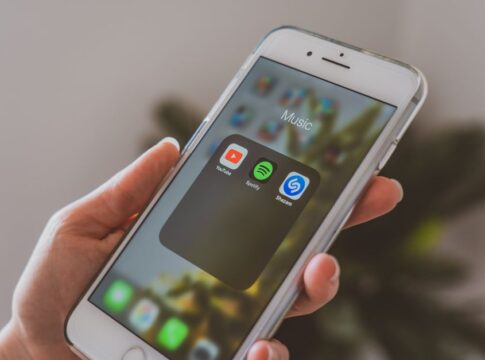
Photo: Castorly Stock / Pexels
By US Daily Tribune Newsroom, Entertainment Desk — Published October 18, 2026
Table of Contents
- Key Takeaways
- The Background & Context
- Why This Matters
- Reactions & Analysis
- What Happens Next
- Frequently Asked Questions
The way Americans consume music, movies, and entertainment has undergone a seismic transformation in the past decade. No longer do we flip through radio stations or browse physical record stores. Instead, we scroll through algorithmically curated playlists, binge-watch entire seasons in a weekend, and let social media platforms decide what we hear and see next. This shift in how music mind streaming intersects with our daily lives raises profound questions about creativity, cultural identity, and the very architecture of our attention spans.
Recent industry developments signal that streaming culture has moved far beyond simply changing how we access content. It now fundamentally shapes what gets created, who gets heard, and how we process the entertainment flooding our devices. From the rising dominance of social platforms in media consumption to the continued evolution of genre-specific programming like Latin music showcases, the entertainment landscape reflects a broader cultural recalibration.
This transformation carries implications that extend into our living rooms, our commutes, and our mental health. Understanding these shifts matters not just for industry insiders, but for every American navigating an increasingly digital cultural ecosystem.
Key Takeaways
- Social media platforms are emerging as dominant forces in media and entertainment consumption, reshaping how audiences discover and engage with content in 2025.
- The streaming revolution extends beyond passive listening, actively influencing cognitive patterns, cultural preferences, and social behaviors.
- Genre-specific programming continues to thrive within streaming ecosystems, with events like the 2026 Fiesta Latina demonstrating the enduring appeal of curated cultural experiences.
- The intersection of music, mind, and streaming technology raises questions about algorithmic influence on artistic diversity and audience autonomy.
- Traditional media gatekeepers face displacement as social platforms become primary discovery engines for music, TV shows, and movies.
- The entertainment industry’s evolution reflects broader tensions between technological convenience and concerns about attention economy exploitation.
The Background & Context
The streaming revolution didn’t happen overnight. It began with music piracy in the early 2000s, evolved through iTunes’ pay-per-song model, and exploded with Spotify’s 2011 U.S. launch. What started as a convenience quickly became the default.
By the mid-2010s, streaming had already decimated physical music sales and radio’s cultural monopoly. Netflix had transformed television viewing habits. YouTube had created an entirely new category of celebrity. But these were just opening acts.
The real transformation came when streaming platforms stopped being passive libraries and became active curators. Algorithms began predicting what we wanted before we knew ourselves. Playlists replaced albums as the primary listening unit. Binge-watching became a verb. The entertainment industry restructured itself around data rather than intuition.
According to industry analyses, social platforms have now emerged as a dominant force in media and entertainment. TikTok doesn’t just host videos; it launches music careers. Instagram doesn’t just share photos; it drives entire marketing campaigns for movies and TV shows. The lines between social media and traditional entertainment have blurred beyond recognition.
This convergence has created an ecosystem where a song can go from bedroom recording to global phenomenon in weeks, where TV shows live or die based on social media buzz, and where algorithms wield more influence over popular culture than any radio programmer or record executive ever did.
Why This Matters
The stakes here extend far beyond whether your favorite artist gets radio play. We’re talking about fundamental changes to how culture gets created, distributed, and consumed in America.
First, there’s the cognitive dimension. Streaming platforms train us to expect instant gratification and infinite choice. That changes how our brains process entertainment. Studies suggest that constant content switching and algorithm-dependent discovery may affect attention spans, reduce tolerance for slower-paced content, and alter how we form lasting connections with art.
Second, consider the economic implications. The streaming model has democratized access but concentrated wealth. Independent artists can reach global audiences without label backing, yet most earn fractions of a penny per stream. Meanwhile, platform owners and a tiny percentage of megastars capture the lion’s share of revenue. This creates a paradox: more accessibility, less sustainability for working musicians.
Third, there’s the cultural homogenization risk. When algorithms optimize for engagement, they tend to favor the familiar over the challenging, the catchy over the complex. This can create feedback loops where certain sounds, styles, and stories dominate while others struggle for oxygen. The result? A pop culture landscape that’s simultaneously more diverse in representation yet potentially more uniform in aesthetic.
Events like the upcoming 2026 Fiesta Latina demonstrate that curated cultural programming still holds value in the streaming age. These live experiences and genre-specific showcases offer something algorithms cannot: communal celebration, cultural specificity, and the unpredictable magic of human curation.
For American families, these shifts affect everything from how children develop musical tastes to how we share cultural experiences across generations. The teenager discovering music through TikTok and the parent who grew up with MTV inhabit fundamentally different entertainment universes, even when streaming the same songs.
Reactions & Analysis
The entertainment industry’s response to streaming’s dominance has been mixed, reflecting both opportunity and anxiety.
Major media companies have rushed to launch their own streaming services, fragmenting the market in ways that frustrate consumers but reflect corporate determination to control distribution. Disney, Warner Bros., Paramount, and others have pulled content from third-party platforms to feed their proprietary services, betting that exclusive libraries will attract subscribers.
Music industry executives have expressed growing concern about streaming economics while simultaneously acknowledging they have little choice but to participate. The major labels maintain significant power through ownership stakes in Spotify and other platforms, but individual artists increasingly question whether the system serves their interests.
Cultural critics have noted how social platforms’ rise as entertainment gatekeepers concentrates enormous power in the hands of tech companies with little accountability to artistic communities or democratic oversight. When TikTok’s algorithm can make or break a song, and when that algorithm’s workings remain opaque, questions about cultural sovereignty become urgent.
Mental health professionals have begun examining streaming culture’s psychological effects. The constant availability of entertainment, the pressure to keep up with trending content, and the algorithmic manipulation of attention all raise concerns about digital wellness and cognitive health.
Meanwhile, audiences themselves display contradictory behaviors. They complain about subscription fatigue while signing up for new services. They express nostalgia for physical media while rarely buying CDs or DVDs. They worry about algorithmic manipulation while relying heavily on recommendation engines.
What Happens Next
The streaming landscape will continue evolving rapidly, with several trends likely to intensify.
Social platforms will deepen their entertainment integration. Expect TikTok, Instagram, and emerging platforms to increasingly function as full-service entertainment hubs rather than just promotional tools. The distinction between “social media” and “streaming service” may disappear entirely.
Artificial intelligence will play an expanding role in content creation and curation. We’re already seeing AI-generated music, algorithmically assembled playlists, and machine-learning-driven content recommendations. The next frontier involves AI creating personalized entertainment experiences tailored to individual users in real time.
Live and curated experiences will likely gain value as counterweights to algorithmic homogeneity. Events like the 2026 Fiesta Latina suggest audiences still crave human-curated, culturally specific programming that offers something beyond what algorithms can deliver.
Regulatory scrutiny will increase. As social platforms and streaming services accumulate power over cultural production and distribution, expect lawmakers to examine antitrust concerns, data privacy issues, and questions about algorithmic transparency.
The tension between convenience and cultural health will sharpen. More Americans will grapple with how to balance streaming’s undeniable benefits against concerns about attention exploitation, cultural homogenization, and the sustainability of creative industries.
Ultimately, the relationship between music, mind, and streaming will remain dynamic. Technology will continue advancing. Business models will keep shifting. But the fundamental human need for meaningful artistic connection endures, even as the delivery mechanisms transform.
Frequently Asked Questions
How does streaming culture affect our mental health and cognitive abilities?
Research suggests that constant access to unlimited entertainment can affect attention spans, create anxiety around missing trending content, and potentially reduce our ability to engage deeply with challenging material. The dopamine hits from discovering new songs or shows can create habit-forming patterns similar to social media addiction. However, streaming also provides unprecedented access to diverse content that can support mental health through music therapy, educational programming, and cultural connection. The key lies in mindful consumption rather than passive algorithmic following.
Are artists actually making money from streaming platforms?
The economics vary dramatically. Superstars and established acts can earn substantial streaming revenue, but most working musicians receive minimal compensation per stream. Spotify reportedly pays between $0.003 and $0.005 per stream, meaning an artist needs roughly 250,000 plays to earn $1,000. Many musicians now view streaming as promotional infrastructure rather than primary income, focusing instead on live performances, merchandise, and direct fan support through platforms like Patreon. The system works better for some genres and career stages than others.
Why are social media platforms becoming more important than traditional streaming services?
Social platforms offer something pure streaming services cannot: viral discovery mechanisms and community engagement. A song that trends on TikTok can generate millions of streams across all platforms within days. Social media combines entertainment consumption with social interaction, making the experience more engaging and shareable. For younger audiences especially, discovery happens through friends and influencers on social platforms rather than through playlist algorithms. This shift represents a fundamental change in how cultural gatekeeping operates in the digital age.
Will streaming eventually replace all traditional media consumption?
While streaming dominates, complete replacement seems unlikely. Physical media maintains niche appeal among collectors and audiophiles. Radio still reaches millions during commutes. Live events offer experiences streaming cannot replicate. More probable is continued hybridization, where streaming becomes the default but coexists with other formats serving specific needs and preferences. The future likely involves multiple consumption modes rather than a single dominant platform, though streaming will remain central to how most Americans access entertainment.
As we navigate this transformed entertainment landscape, the challenge isn’t rejecting streaming culture but understanding its influence on our minds, our communities, and our shared cultural life. The platforms will keep evolving. The algorithms will grow more sophisticated. But our human need for meaningful artistic connection remains constant, even as the technology delivering it continues to change at dizzying speed.