
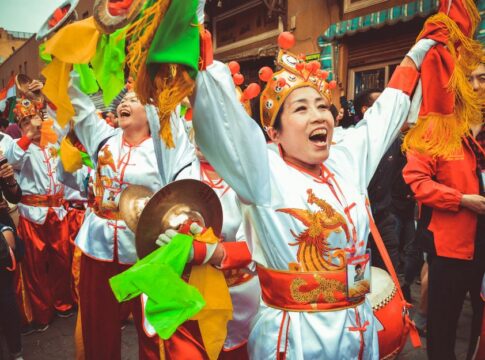
Photo: Bishoy Milad / Pexels
By US Daily Tribune Newsroom, Entertainment Desk — Published October 7, 2026
Table of Contents
- Key Takeaways
- The Background & Context
- Why This Matters
- Reactions & Analysis
- What Happens Next
- Frequently Asked Questions
American living rooms are increasingly tuned to Mandarin-language dramas. College dorm rooms echo with C-pop beats. And social media feeds overflow with Chinese fashion trends and viral challenges. The rise of Chinese culture in the United States represents one of the most significant shifts in global entertainment consumption in recent years, particularly among younger audiences who are reshaping what it means to be a pop culture consumer in the 21st century.
This phenomenon extends far beyond occasional viral videos. Chinese movies, streaming content, music, and cultural trends are carving out substantial mindshare among American viewers, especially Generation Z. The trend has sparked academic interest and media analysis, with observers comparing this cultural wave to the Korean pop culture explosion that preceded it.
What makes this development particularly noteworthy is its timing and scope. As geopolitical tensions between Washington and Beijing dominate headlines, cultural exchange flows in unexpected directions. Young Americans are actively seeking out Chinese entertainment, learning the language through pop songs, and adopting fashion sensibilities that originated thousands of miles away. The implications reach beyond entertainment into questions of soft power, cultural diplomacy, and the future of global media consumption.
Key Takeaways
- Chinese pop culture is experiencing measurable growth in influence among American audiences, particularly Generation Z consumers who engage with entertainment differently than previous generations.
- The phenomenon mirrors the earlier rise of Korean pop culture (K-pop and K-dramas) but follows distinct patterns of adoption and consumption among young Americans.
- A “Becoming Chinese” trend has emerged on social media platforms, reflecting increased appeal and curiosity about Chinese cultural products and practices.
- The development represents a significant shift in global soft power dynamics, with cultural influence flowing in new directions despite political tensions between nations.
- Streaming platforms and social media have served as primary vehicles for Chinese cultural content to reach American viewers, bypassing traditional media gatekeepers.
- Researchers and cultural analysts are studying this trend to understand its sustainability and long-term impact on American entertainment consumption patterns.
The Background & Context
For decades, American pop culture dominated global entertainment markets. Hollywood films, American music, and U.S. television shows set trends worldwide. That unipolar cultural landscape began shifting in the 2010s when Korean pop culture achieved breakthrough success in the United States. K-pop groups filled stadiums. Korean dramas topped Netflix charts. Korean skincare and fashion became aspirational.
Chinese cultural products initially lagged behind. Language barriers seemed steeper. Distribution networks proved less developed. And political sensitivities created additional friction. But several factors converged to change this dynamic.
First, China’s domestic entertainment industry matured dramatically. Production values improved. Storytelling became more sophisticated. Investment in creative talent increased substantially. Chinese filmmakers, musicians, and content creators developed works that could compete aesthetically with any global production.
Second, streaming technology democratized access. Platforms specializing in Asian content made Chinese shows readily available to American viewers. Subtitles improved. User interfaces became more intuitive. Algorithmic recommendations introduced curious viewers to Chinese content they might never have discovered through traditional channels.
Third, Generation Z approached cultural consumption with fewer preconceptions than older cohorts. Growing up in a globalized, internet-connected world, they felt comfortable sampling entertainment from any source. Geographic origin mattered less than quality, aesthetics, and emotional resonance.
The COVID-19 pandemic accelerated these trends. Lockdowns drove streaming consumption to unprecedented levels. Viewers exhausted familiar content libraries and ventured into new territory. Chinese dramas, variety shows, and films found audiences with time and curiosity to spare.
Why This Matters
Cultural influence carries weight beyond entertainment value. Soft power—the ability to attract and persuade through cultural appeal rather than military or economic coercion—shapes international perceptions and relationships in profound ways.
When American teenagers watch Chinese television shows, they absorb more than plot points. They encounter Chinese perspectives, values, humor, and social norms. They develop familiarity with Chinese faces, voices, and landscapes. This cultural exposure can humanize a nation often portrayed in American media primarily through the lens of strategic competition.
For U.S. policymakers and cultural observers, the trend raises important questions. Can cultural exchange continue even as political relations remain strained? Does exposure to Chinese pop culture influence American attitudes toward China more broadly? And what does it mean for American cultural industries when younger audiences increasingly look elsewhere for entertainment?
The economic implications matter too. Entertainment represents a significant export industry for the United States. If Chinese content captures substantial market share among American viewers, it could reshape revenue streams, investment priorities, and creative talent flows. Streaming platforms must decide how much Chinese content to license. Advertisers must consider where young eyeballs actually focus.
For ordinary Americans, particularly parents and educators, the trend presents both opportunities and challenges. Learning about other cultures through entertainment can build empathy and global awareness. Yet it also raises questions about content moderation, cultural values, and the information ecosystem shaping young minds.
Reactions & Analysis
Academic researchers have begun studying Chinese pop culture’s development in the United States, particularly among Generation Z, comparing its trajectory to the Korean wave that preceded it. These comparative analyses reveal both similarities and distinctions in how different Asian cultural products gain traction with American audiences.
The “Becoming Chinese” trend observed on social media platforms reflects genuine curiosity and appeal. Young Americans post videos of themselves learning Mandarin through pop songs, attempting Chinese cooking techniques seen in variety shows, or adopting fashion styles popularized by Chinese celebrities. This organic engagement differs from top-down cultural promotion.
Cultural critics note that Chinese pop culture faces unique challenges that Korean content did not. Political sensitivities create complications. Some American viewers hesitate to engage with Chinese content due to concerns about government influence on creative industries. Others separate artistic merit from political systems, judging entertainment on its own terms.
Industry analysts point out that Chinese streaming platforms and production companies are becoming increasingly sophisticated in understanding international audiences. They invest in content with cross-cultural appeal, hire translators who capture nuance rather than just literal meaning, and study what works in different markets.
Some observers express concern about cultural homogenization. If global audiences all consume similar content from a handful of major producers, does local and independent creativity suffer? Others counter that cultural exchange has always been bidirectional, with influences flowing in multiple directions simultaneously.
What Happens Next
The trajectory of Chinese cultural influence in the United States remains uncertain. Several factors will determine whether this represents a lasting shift or a temporary trend.
Political relations between Washington and Beijing will play a role. Severe deterioration could create backlash against Chinese cultural products. Conversely, stabilization might remove barriers and accelerate exchange. The relationship between governments and cultural consumption is complex and not always predictable.
Content quality and innovation matter enormously. If Chinese creators continue producing compelling entertainment that resonates with American audiences, growth will likely continue. If quality stagnates or content becomes formulaic, interest may wane. Competition for attention remains fierce.
Platform decisions carry weight too. What content do streaming services choose to license and promote? How do algorithms surface Chinese shows to potential viewers? These technical and business choices shape what millions of Americans actually watch.
Generational attitudes will prove crucial. If Generation Z maintains interest in Chinese pop culture as they age, it becomes embedded in American entertainment consumption. If it proves a passing phase of youth, impact diminishes over time.
The broader context of Asian cultural influence also matters. Chinese pop culture does not exist in isolation but as part of a larger pattern of American audiences engaging with Asian entertainment. How these different cultural streams interact and compete will shape the overall landscape.
Frequently Asked Questions
Why is Chinese pop culture gaining popularity among American Gen Z viewers?
Several factors contribute to this trend. Generation Z grew up with global internet access and streaming platforms that make foreign content easily accessible. They approach entertainment without the geographic biases of older generations, judging content on quality and appeal rather than origin. Improved production values in Chinese entertainment, better subtitling and distribution, and algorithmic recommendations that introduce viewers to new content all play roles. The COVID-19 pandemic also gave viewers time to explore beyond familiar entertainment options.
How does Chinese pop culture influence compare to Korean pop culture’s success in America?
Both represent significant Asian cultural waves in the United States, but they follow somewhat different patterns. Korean pop culture, particularly K-pop and K-dramas, achieved earlier mainstream breakthrough and built highly organized fan communities. Chinese pop culture is developing among Generation Z with less organized fandom but broad curiosity. Researchers are studying these comparative trajectories to understand how different Asian cultural products gain traction with American audiences and what factors determine their staying power.
What is the “Becoming Chinese” trend on social media?
The “Becoming Chinese” trend refers to social media content where users, particularly young Americans, document their engagement with Chinese culture through entertainment. This includes learning Mandarin through pop songs, trying Chinese cooking techniques from variety shows, adopting fashion styles from Chinese celebrities, or sharing their experiences watching Chinese dramas and films. The trend reflects organic interest and curiosity rather than organized promotion, indicating genuine cultural appeal among younger audiences.
Does Chinese pop culture influence affect U.S.-China political relations?
The relationship between cultural exchange and political relations is complex and bidirectional. Cultural exposure can humanize nations and build understanding even during periods of political tension. However, severe political deterioration can create backlash against cultural products. Currently, Chinese pop culture appears to be gaining ground among American youth despite strained government relations, suggesting that cultural consumption and political attitudes can operate somewhat independently, particularly among younger generations who separate entertainment from geopolitics.
As American audiences continue exploring entertainment from around the world, Chinese pop culture has established a foothold that appears likely to grow. Whether this represents a fundamental shift in global cultural influence or a moment in time remains to be seen. What seems certain is that the next generation of Americans will have a more diverse entertainment diet than their parents, shaped by creators from across the Pacific as much as from Hollywood studios.