
A federal court has reinstated deportation proceedings against Mohsen Mahdawi, a pro-Palestinian student activist, marking a significant development in the ongoing clash between immigration enforcement and campus political activism. The ruling overturns previous administrative relief that had temporarily halted his removal from the United States.
Legal Battle Resumes for Campus Activist
The court decision reverses earlier administrative stays that protected Mahdawi from deportation proceedings. Immigration officials can now resume efforts to remove the student from the country. The case has drawn attention from civil liberties organizations and immigration advocacy groups who argue the proceedings target political speech. Federal immigration attorneys maintain the case follows standard enforcement protocols unrelated to Mahdawi’s activism. The ruling represents a victory for immigration enforcement authorities seeking to process pending removal cases without interference from administrative delays.
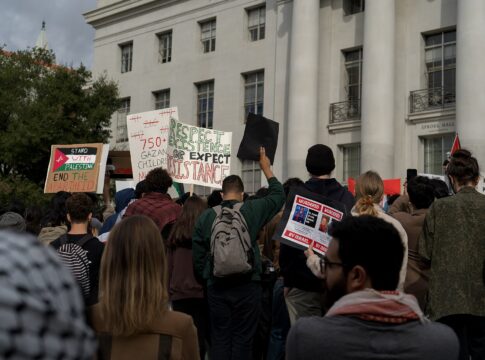
Mahdawi gained prominence through involvement in pro-Palestinian demonstrations on college campuses. His supporters claim the deportation proceedings constitute retaliation for protected political expression. Immigration and Customs Enforcement officials counter that immigration violations exist independent of any activism. The court focused on procedural matters rather than constitutional questions about free speech rights. Legal experts note the decision does not address whether political activity influenced enforcement decisions, leaving that question for potential future litigation if Mahdawi’s attorneys pursue civil rights claims.
Immigration Enforcement Versus Political Speech
The case exemplifies tensions between immigration enforcement authority and First Amendment protections for foreign nationals. Student visa holders maintain limited constitutional rights while residing in the United States, but those rights do not necessarily prevent deportation for visa violations. Immigration law grants broad discretion to enforcement agencies in pursuing removal proceedings. Critics argue this discretion allows selective enforcement based on political viewpoints. The legal framework permits deportation regardless of an individual’s political activities, provided valid immigration violations exist. Courts generally defer to executive branch immigration decisions absent clear constitutional violations.
What This Means
The ruling signals continued federal commitment to processing deportation cases despite political controversy. Immigration enforcement maintains authority to pursue removal proceedings based on visa violations, even when targets engage in protected political speech. Mahdawi faces renewed legal challenges to remain in the country, with limited options for administrative relief following the court decision. The case may influence how universities and student activists approach immigration status considerations when organizing political demonstrations. Immigration attorneys expect similar cases involving student activists to receive heightened scrutiny as enforcement priorities evolve under current federal policies.