
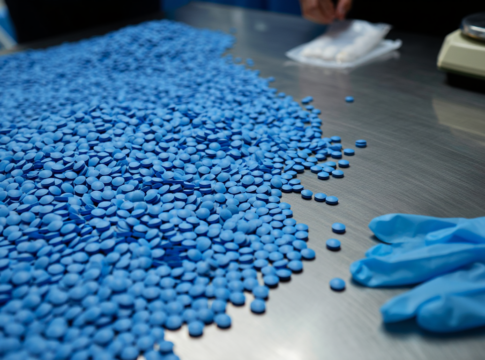
California authorities have intercepted 37,000 pounds of fentanyl since 2021, including 54 million lethal pills valued at over $500 million, according to Governor Gavin Newsom’s office. The announcement highlights ongoing battles over border security and drug enforcement policy as the 2028 presidential race approaches.
National Guard Deployment at Border Checkpoints
The California National Guard has supported drug interdiction efforts at ports of entry since 2021, funded through a $30 million state investment proposed by Newsom and approved in the state budget. Major General Matthew P. Beevers emphasized that service members work in the communities they protect, disrupting drug trafficking operations before narcotics reach California neighborhoods. The deployment represents one of the largest state-level responses to the fentanyl crisis affecting communities nationwide.
Newsom defended the approach against critics, stating California focuses on stopping drugs at the border and holding traffickers accountable rather than engaging in political theater. The governor, whose second term ends in January 2027, has indicated he will consider running for president in 2028. The fentanyl seizure announcement comes as border security remains a dominant issue in American politics, with states implementing competing approaches to drug interdiction.
Republican Lawmaker Warns of Deeper Crisis
State Senator Tony Strickland, a Huntington Beach Republican, rejected the characterization of the seizures as a victory. Strickland argued that 54 million intercepted pills indicate how much fentanyl continues reaching California communities, fueling crime and addiction. The senator criticized enforcement policies he described as too lenient, claiming dealers receive minimal consequences. Strickland called for stronger support for law enforcement and tougher accountability measures for drug traffickers selling to children.
What This Means for Border Security Debate
The competing narratives highlight fundamental disagreements over drug enforcement strategy as the 2028 election approaches. Democrats point to seizure numbers as evidence of effective interdiction, while Republicans argue the volume of intercepted drugs proves current policies fail to secure the border. Fentanyl overdoses remain a leading cause of death for Americans under 50, making drug policy a central concern for voters across political affiliations. The debate over enforcement versus prevention continues shaping state and federal policy discussions.