
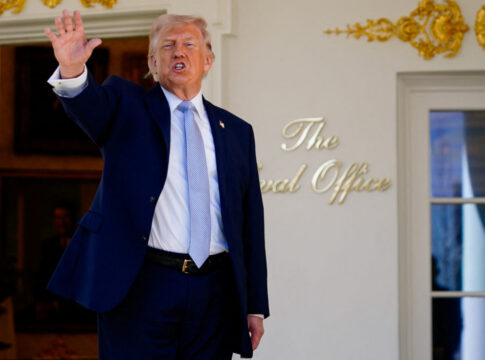
President Donald Trump’s four-day absence from public view over Easter weekend triggered widespread speculation about his health across social media platforms, with rumors accumulating over 1.2 million engagements despite no evidence supporting hospitalization claims.
Social Media Frenzy Over Presidential Absence
From March 30 to April 6, the words “Trump” and “Walter Reed”—the Maryland military hospital where presidents receive treatment—appeared together 112,390 times across major platforms, including X, Facebook, Reddit, and YouTube, according to social media monitoring tool Rolli IQ. Users shared outdated videos and artificial intelligence-generated images to support unverified claims about the president’s condition. Trump made no public appearances from April 2 through April 5, fueling the speculation despite clear signs he remained active at the White House.
The White House directly denied hospitalization rumors, explaining that Trump was coordinating efforts to rescue an Air Force officer whose fighter jet was shot down by Iran. A CBS reporter observed a Marine sentry stationed at the West Wing entrance on April 4, a standard indicator the president was working inside. Trump remained active on social media throughout the weekend, posting a profanity-laced Easter morning message on Truth Social that threatened further action against Iran.
Public Return Fails to Quiet Critics
Trump appeared publicly on April 6 at the White House Easter Egg Roll and addressed reporters at a press conference. However, his Easter social media post drew criticism from medical analysts, with some questioning his mental fitness despite no public diagnosis of cognitive issues. The administration maintained that Trump was fully engaged in managing the international crisis involving Iran throughout the holiday weekend.
Pattern of Unfounded Health Claims
This incident follows a recurring pattern of unsubstantiated speculation about presidential health during periods without scheduled public appearances. The rapid spread of artificial intelligence-generated content and recycled footage demonstrates how quickly misinformation can circulate on social media platforms. PolitiFact found no credible evidence supporting any claims about Trump’s hospitalization or declining health during the Easter weekend period. The rumors underscore ongoing challenges in distinguishing authentic information from fabricated content in the digital age, particularly regarding high-profile political figures.