
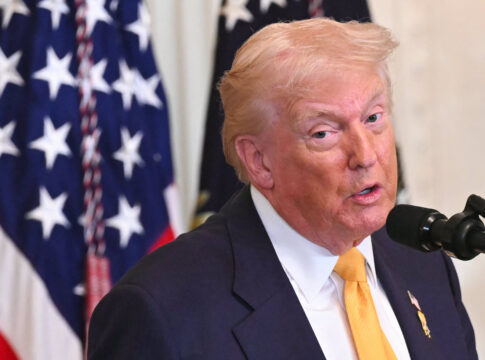
President Trump signed an executive order invoking the Defense Production Act to boost domestic production of glyphosate and phosphorus, setting up a potential conflict with the Make America Healthy Again movement that has opposed the controversial herbicide.
National Security Justification
Trump declared that ensuring robust domestic production of elemental phosphorus and glyphosate-based herbicides represents a critical national security issue. The order states that without immediate federal action, America remains inadequately equipped and vulnerable to supply chain disruptions. Only one domestic producer currently manufactures these essential chemicals, leaving the nation’s defense industrial base and food supply exposed to hostile foreign actors.
Agriculture Secretary Brooke Rollins will oversee the implementation of new orders and regulations to increase supply chains for both chemicals. Phosphorus serves as a precursor for glyphosate production and plays a vital role in manufacturing military equipment. The White House emphasized that losing access to either chemical could cripple critical supply chains essential to American agriculture and defense capabilities.
MAHA Movement Tension
The decision creates tension within Trump’s coalition, particularly with supporters of the Make America Healthy Again movement who view glyphosate as harmful to human health. Health Secretary Robert Kennedy Jr., who previously won a nearly 290 million case against Roundup producer Monsanto, has moderated his stance since joining the administration. Kennedy acknowledged that over one million American farmers rely on glyphosate for their operations.
Industry and Legal Context
Glyphosate, marketed primarily as Roundup by Bayer, remains widely used throughout American agriculture despite ongoing controversy over alleged cancer links. Bayer recently proposed paying 7.25 billion dollars to settle lawsuits claiming the chemical causes cancer. Monsanto, now owned by Bayer, expressed support for the executive order, stating it reinforces farmers’ need for access to essential, domestically produced crop protection tools and pledged compliance with production requirements.