
How Public Opinion Shapes Legislative Action
In democratic societies, the relationship between public opinion and legislative action represents one of the most fundamental aspects of representative government. While lawmakers are elected to exercise judgment and expertise, they remain accountable to their constituents, creating a complex dynamic where public sentiment can significantly influence the laws that govern society. Understanding this relationship provides crucial insight into how democracies function and evolve over time.
The Mechanisms of Influence
Public opinion shapes legislative action through several distinct mechanisms, each playing a vital role in translating citizen preferences into policy outcomes. Electoral accountability stands as the most direct mechanism, with legislators aware that their voting records and policy positions will be scrutinized when they seek reelection. This creates a powerful incentive to align legislative behavior with constituent preferences, particularly on highly visible issues that voters care deeply about.
Beyond electoral considerations, legislators actively monitor public opinion through various channels. Opinion polls, town hall meetings, constituent correspondence, and social media engagement all provide lawmakers with feedback about public sentiment. Modern legislators employ sophisticated polling operations and data analytics to gauge public opinion on specific issues, allowing them to calibrate their positions accordingly. This constant feedback loop ensures that dramatic shifts in public opinion rarely go unnoticed by legislative bodies.
Historical Examples of Public Opinion Driving Change
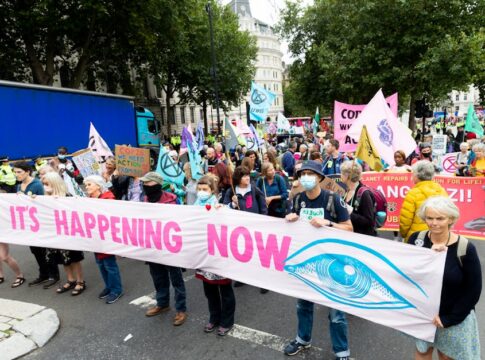
History provides numerous examples of public opinion successfully pushing legislative action. The civil rights movement of the 1960s demonstrates how sustained public pressure, combined with changing social attitudes, eventually overcame legislative resistance to produce landmark civil rights legislation. Initially, many lawmakers opposed civil rights reforms, but as public opinion shifted and demonstrations captured national attention, the political calculus changed, making passage of the Civil Rights Act of 1964 and the Voting Rights Act of 1965 possible.
More recently, the rapid shift in public opinion regarding same-sex marriage illustrates how changing social attitudes can influence legislative action. As polling showed increasing public support for marriage equality throughout the 2000s and 2010s, state legislatures began passing laws recognizing same-sex marriages, ultimately culminating in nationwide recognition. This evolution occurred relatively quickly in historical terms, driven largely by generational shifts in attitudes and increased visibility of LGBTQ individuals and their families.
The Role of Intensity and Salience
Not all public opinion carries equal weight in shaping legislative action. The intensity of opinion and the salience of issues significantly affect their influence on lawmakers. Issues that generate intense feelings among constituents, even if they don’t command majority support, often receive disproportionate legislative attention. Lawmakers recognize that voters with strong preferences are more likely to base voting decisions on specific issues, making them more politically relevant than broader but less passionate public sentiment.
Salience—how prominent an issue is in public consciousness—also determines legislative responsiveness. During times of crisis or when issues dominate news coverage, public opinion becomes particularly influential. The legislative response to economic recessions, national security threats, or public health emergencies typically reflects this heightened responsiveness to public concerns and demands for action.
Factors That Complicate the Relationship
While public opinion undeniably influences legislative action, several factors complicate this relationship. These include:
- Information asymmetry: Legislators often possess more detailed information about policy complexities than the general public, creating tension between expert judgment and popular preferences
- Organized interests: Well-funded interest groups can amplify certain voices while drowning out others, potentially distorting the relationship between genuine public opinion and legislative outcomes
- Institutional structures: Constitutional frameworks, including federalism, bicameralism, and separation of powers, can slow or block legislative responses to public opinion
- Partisan polarization: Increasingly, legislators respond primarily to opinion within their party base rather than broader public sentiment, particularly in safe districts
- Time lags: Significant delays often occur between shifts in public opinion and corresponding legislative action due to institutional inertia and political resistance
The Quality of Public Opinion
The influence of public opinion on legislative action raises important questions about the quality and formation of that opinion. Public preferences on complex policy issues often reflect limited information, susceptibility to framing effects, and the influence of political messaging rather than careful deliberation. This reality creates a tension within democratic theory: should legislators simply follow public opinion, or should they exercise independent judgment even when it conflicts with constituent preferences?
Research suggests that public opinion tends to be more stable and reasonable on broad policy directions than on specific policy details. Legislators who align with the general thrust of public preferences while exercising judgment on technical aspects may best balance responsiveness with expertise.
Modern Challenges and Opportunities
Contemporary developments have transformed how public opinion shapes legislative action. Social media enables rapid mobilization of public sentiment and provides new channels for citizens to communicate directly with elected officials. However, these same platforms can amplify extreme voices and create echo chambers that fragment public opinion into incompatible tribal identities.
The proliferation of polling and data analytics allows for more precise measurement of public opinion but also enables micro-targeting that may undermine deliberative democracy. Legislators can increasingly tailor messages to specific constituencies while avoiding broader accountability, potentially weakening the link between general public opinion and legislative outcomes.
Conclusion
The relationship between public opinion and legislative action remains central to democratic governance, serving as both a mechanism for popular sovereignty and a subject of ongoing debate. While public opinion clearly influences legislative behavior through electoral accountability, direct communication, and changing social norms, this influence is mediated by institutional structures, organized interests, and the inherent complexities of translating diverse public preferences into coherent policy. Understanding this relationship helps citizens better appreciate both the possibilities and limitations of popular influence in shaping the laws that govern society, while highlighting the ongoing challenge of balancing responsiveness to public sentiment with the need for informed, deliberative policymaking.