
How Election Campaigns Are Shaping Public Opinion
Election campaigns represent one of the most powerful forces in modern democracy, wielding significant influence over how citizens perceive candidates, issues, and the political landscape itself. Through sophisticated strategies, data-driven approaches, and multi-platform messaging, contemporary campaigns have evolved into complex operations designed to shape, shift, and solidify public opinion in ways that would have been unimaginable just decades ago.
The Mechanics of Opinion Formation
Election campaigns operate on the fundamental premise that public opinion is neither fixed nor immutable. Campaign strategists understand that voter preferences exist on a spectrum, with persuadable voters representing the key demographic that can determine electoral outcomes. Through targeted messaging, strategic advertising, and careful candidate positioning, campaigns work to move public sentiment in favorable directions.
The process begins long before most voters pay attention to politics. Early campaign efforts focus on defining candidates and establishing narratives that will resonate throughout the election cycle. This agenda-setting function proves crucial, as research consistently demonstrates that the issues campaigns emphasize often become the issues voters consider most important when making their decisions.
Traditional Campaign Tactics and Their Impact
Despite the digital revolution, traditional campaign methods continue to shape public opinion effectively. Television advertising remains a dominant force, particularly in reaching older demographics who vote at higher rates. These advertisements serve multiple purposes: introducing candidates to voters, highlighting policy positions, and frequently, attacking opponents to create negative associations in voters’ minds.
Rallies and Public Events
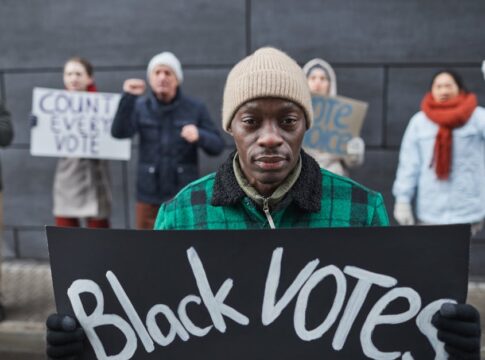
Campaign rallies and town halls create opportunities for direct voter engagement while generating media coverage that amplifies the campaign’s message. These events serve dual purposes: energizing existing supporters while projecting enthusiasm and momentum to undecided voters watching through media coverage. The images and narratives emerging from these gatherings contribute to broader perceptions about candidate viability and popular support.
Debate Performance
Televised debates represent critical moments when campaigns can reshape public opinion rapidly. A strong debate performance can reverse negative polling trends, while poor showings can damage carefully constructed campaign narratives. Importantly, debates influence opinion not just through candidate statements, but through post-debate analysis, media interpretation, and social media reaction that frames how voters understand what they witnessed.
The Digital Revolution in Opinion Shaping
Modern campaigns have embraced digital technology with remarkable sophistication, fundamentally transforming how they reach and influence voters. Social media platforms provide unprecedented access to specific demographic groups, enabling campaigns to deliver tailored messages that resonate with particular audiences while remaining invisible to others.
Microtargeting and Data Analytics
Contemporary campaigns leverage vast databases containing detailed voter information, including demographic data, consumer behavior, online activity, and voting history. This information enables microtargeting strategies that deliver customized messages designed to appeal to specific voter segments. A suburban parent might receive messages emphasizing education policy, while a rural voter sees content focused on agricultural issues, each receiving information calculated to shift their opinion toward the campaign’s candidate.
Social Media Influence
Platforms like Facebook, Twitter, Instagram, and TikTok have become essential battlegrounds for shaping public opinion. Campaigns utilize these channels for rapid response to news events, direct communication with voters, and creating shareable content that supporters distribute through their personal networks. This peer-to-peer sharing carries particular weight, as people generally trust recommendations from friends and family more than traditional advertising.
The algorithmic nature of social media creates echo chambers where users predominantly encounter information confirming their existing beliefs. Savvy campaigns exploit these dynamics, using targeted content to reinforce support among base voters while attempting to create doubt or suppress enthusiasm among opponent’s supporters.
The Role of Negative Campaigning
Negative campaigning remains controversial yet prevalent because research demonstrates its effectiveness. Attacks on opponents can successfully shape public opinion by creating doubt, highlighting unfavorable information, or associating candidates with unpopular positions or controversial figures. The psychological principle of negativity bias explains why negative information often proves more memorable and influential than positive messaging.
However, negative campaigning carries risks. Excessively harsh attacks can backfire, generating sympathy for the target or creating perceptions that the attacking candidate lacks substance. Successful negative campaigns typically focus on policy differences or factual information rather than purely personal attacks, maintaining plausible deniability about motives while still damaging opponent reputations.
Third-Party Influence and Earned Media
Campaigns shape public opinion not only through their direct communications but also by influencing how media outlets, interest groups, and opinion leaders discuss candidates and issues. Strategic news releases, carefully timed policy announcements, and coordinated surrogate appearances help campaigns generate favorable earned media coverage that reaches voters through sources they perceive as more credible than campaign advertisements.
Endorsements from respected figures, organizations, and publications provide external validation that shapes opinion, particularly among voters who share affinity with the endorsing entity. Labor union endorsements influence working-class voters, newspaper editorial board endorsements affect college-educated professionals, and celebrity endorsements can enhance name recognition and favorability among younger demographics.
Measuring and Responding to Public Opinion
Modern campaigns conduct extensive polling and focus group research to measure public opinion continuously. This data serves two purposes: assessing whether campaign strategies are working and identifying new opportunities to shift opinion. Campaigns adjust messaging, refine targeting, and reallocate resources based on these measurements, creating a feedback loop where opinion shapes strategy, which in turn shapes opinion.
Long-Term Implications
The sophisticated techniques campaigns employ to shape public opinion raise important questions about democratic governance. While informing voters represents a legitimate campaign function, the manipulation of opinion through misleading information, emotional manipulation, or exploiting cognitive biases presents ethical challenges. The increasing sophistication of campaign techniques, combined with declining trust in traditional information gatekeepers, creates an environment where distinguishing between persuasion and manipulation becomes increasingly difficult.
Understanding how campaigns shape public opinion remains essential for informed citizenship. Recognizing these techniques enables voters to consume campaign information more critically, identifying manipulation attempts while remaining open to legitimate persuasion. As campaign technology and strategy continue evolving, this awareness becomes ever more crucial for maintaining healthy democratic discourse and ensuring that public opinion reflects genuine voter preferences rather than merely successful manipulation.