
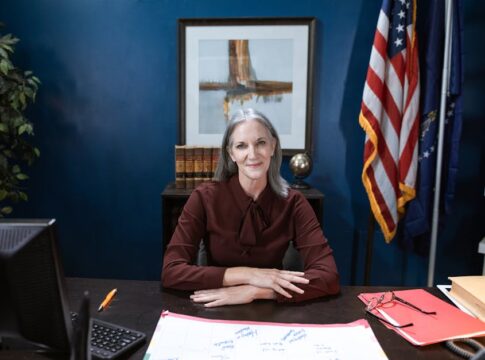
The Growing Role of Women in Politics
The political landscape has undergone a remarkable transformation over the past century, with one of the most significant changes being the increasing participation and influence of women in political spheres worldwide. From grassroots activism to the highest offices of government, women have steadily broken through barriers that once seemed insurmountable, reshaping democratic institutions and policy priorities in the process.
Historical Context and Progress
The journey toward gender equality in politics has been long and challenging. For much of recorded history, women were systematically excluded from formal political participation, denied the right to vote, and barred from holding public office. The suffragette movements of the late 19th and early 20th centuries marked a turning point, with countries gradually extending voting rights to women. New Zealand led the way in 1893, followed by Australia, Finland, Norway, and eventually most nations around the world.
However, securing the right to vote was merely the first step. The actual representation of women in legislative bodies and executive positions has taken considerably longer to achieve. The second half of the 20th century saw gradual increases in women’s political representation, with this progress accelerating in recent decades. Today, women serve as heads of state and government in numerous countries, and their presence in parliaments worldwide has more than doubled since 1995.
Current State of Women’s Political Representation
According to recent data from international organizations monitoring gender equality, women now occupy approximately 26 percent of parliamentary seats globally. While this represents significant progress, it also highlights the substantial gap that remains before achieving gender parity in political representation. Regional variations are considerable, with some countries and regions demonstrating much stronger progress than others.
Leading Examples
Several nations have achieved or approached gender parity in their national legislatures. Rwanda leads globally with women comprising over 60 percent of its lower house of parliament. Other countries with strong female representation include Cuba, Nicaragua, Mexico, and several European nations including Sweden, Finland, and Norway. These countries have often employed specific mechanisms such as gender quotas and proportional representation systems to accelerate progress.
Persistent Challenges
Despite overall progress, many regions continue to struggle with low levels of female political representation. Some countries still have less than 10 percent female representation in their national legislatures, and women remain significantly underrepresented in executive positions, particularly as heads of state or government. Additionally, women continue to face unique challenges in their political careers that their male counterparts do not encounter.
Barriers and Obstacles
Women pursuing political careers continue to face multiple interconnected obstacles that impede their full and equal participation in political life. Understanding these barriers is essential for developing effective strategies to overcome them.
Structural and Institutional Barriers
Political institutions and electoral systems can either facilitate or hinder women’s political participation. Winner-take-all electoral systems tend to favor incumbents and established networks, which historically have been male-dominated. Campaign finance requirements often disadvantage women, who typically have less access to wealthy donors and business networks. Additionally, the timing and structure of political activities frequently fail to accommodate family responsibilities that still disproportionately fall on women.
Sociocultural Factors
Deep-rooted gender stereotypes and cultural norms continue to influence perceptions of women’s suitability for political leadership. Women politicians often face greater scrutiny regarding their appearance, demeanor, and personal lives compared to their male colleagues. They may be perceived as either too aggressive or not tough enough, facing a double bind that their male counterparts rarely encounter. These biases exist not only among voters but also within political parties and media organizations.
Violence and Harassment
Women in politics increasingly report experiencing gender-based violence and harassment, both online and offline. This ranges from sexist comments and character attacks to serious threats of physical violence. Such hostility creates a hostile environment that can deter women from entering or remaining in political life, representing a serious threat to democratic participation and representation.
Mechanisms for Advancing Women’s Political Participation
Various strategies have proven effective in increasing women’s representation in politics, with different approaches working better in different contexts.
Gender Quotas
Gender quotas represent one of the most widely adopted and effective mechanisms for increasing women’s political representation. These can take various forms, including constitutional quotas, electoral law quotas, or voluntary party quotas. When properly designed and implemented with adequate enforcement mechanisms, quotas have demonstrated significant success in rapidly increasing the number of women in legislative positions.
Electoral System Reform
Proportional representation systems generally result in higher levels of female representation compared to majority or plurality systems. This occurs because proportional systems encourage parties to present balanced candidate lists and provide more opportunities for newcomers to enter politics.
Capacity Building and Support Networks
Organizations dedicated to training women for political leadership, providing campaign support, and creating networks of women politicians have proven valuable in helping women overcome barriers to political participation. These initiatives help women develop necessary skills, access resources, and build confidence to pursue political careers.
The Impact of Women’s Political Leadership
Research consistently demonstrates that women’s increased political participation produces tangible benefits for democratic governance and policy outcomes. Women legislators tend to prioritize different policy areas, often giving greater attention to social welfare, education, healthcare, and family policy. Studies show that higher levels of female representation correlate with lower levels of corruption and more collaborative legislative processes.
Furthermore, women’s presence in politics challenges traditional power structures and serves as a powerful symbol, inspiring future generations of women to engage in civic and political life. This representation matters not only for women but for the health and legitimacy of democratic institutions overall.
Looking Forward
The growing role of women in politics represents one of the most significant democratic advances of our time. While substantial progress has been made, achieving full equality remains an ongoing challenge requiring sustained commitment from governments, political parties, civil society organizations, and citizens. As barriers continue to fall and more women assume political leadership roles, the nature of politics itself continues to evolve, becoming more inclusive, representative, and responsive to the needs of all citizens.