
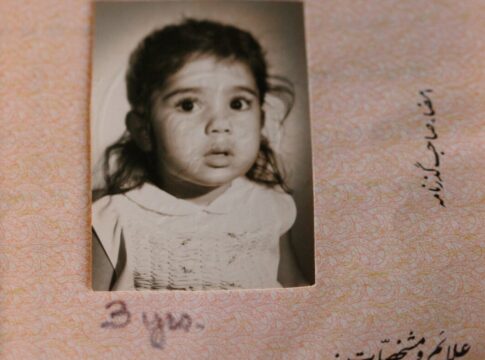
A woman in her 50s who was adopted from Iran by a U.S. Air Force veteran and raised in the Midwest now faces deportation proceedings, despite living her entire life as an American since age two. The Department of Homeland Security issued her removal notice earlier this month, exposing a legal gap that leaves thousands of international adoptees without citizenship protections.
When Adoption Doesn’t Guarantee Citizenship
The California resident entered the United States in the 1970s on a tourist visa while her adoptive father worked as a government contractor in Iran. She grew up on a Midwestern farm, attended church weekly, and listened to her father’s World War II service stories. The 2000 Child Citizenship Act granted automatic citizenship to most international adoptees, but excluded adults at the time of passage and those who entered on incorrect visa types. Her situation exemplifies both categories.
The woman discovered her legal vulnerability decades after her adoption when applying for a passport. Immigration authorities informed her that her naturalization was never completed, making her technically deportable. She has no criminal record and maintains she believes her parents completed all necessary citizenship procedures. Local newspaper articles from her childhood reference her parents working toward her citizenship, and she found documents among her father’s belongings requesting lost citizenship paperwork.
A Legal Gap Affecting Thousands
Attorney Emily Howe, representing the adoptee, calls the situation emblematic of a broken immigration system. Tourist visas were commonly used for adoptions from countries without formal intercountry adoption agreements, according to the Adoptee Rights Campaign. These temporary visas often expired before state adoption proceedings concluded, requiring permanent residency adjustments that many families never completed. The exact number of affected adoptees remains unknown, as many discover their status only when applying for passports or government documents in adulthood.
Implications for American Families
The case raises questions about federal adoption policies and their impact on families who followed available procedures decades ago. While previous deportations of adoptees typically involved criminal convictions, expanded enforcement priorities have increased anxiety among noncitizen adoptees nationwide. The Department of Homeland Security states that all immigrants in removal proceedings receive full due process. The woman has no memory of Iran and possesses no information about her birth parents or the circumstances leading to her orphanage placement. Her case now moves through immigration courts as she fights removal from the only country she has ever known.